Most house fires start with something ordinary: a pan left on the stove top, an overloaded power board or a heater placed too close to the curtains. The good news is that most home fires are preventable with a few simple habits and the right fire safety equipment.
In this guide, we cover common home fire hazards, practical fire safety tips for every room, and the fire safety measures every household should have in place.
Where Home Fires Start: Common Fire Hazards
Understanding where a fire starts is the first step in fire prevention. The most common causes of home fires in Australia include:
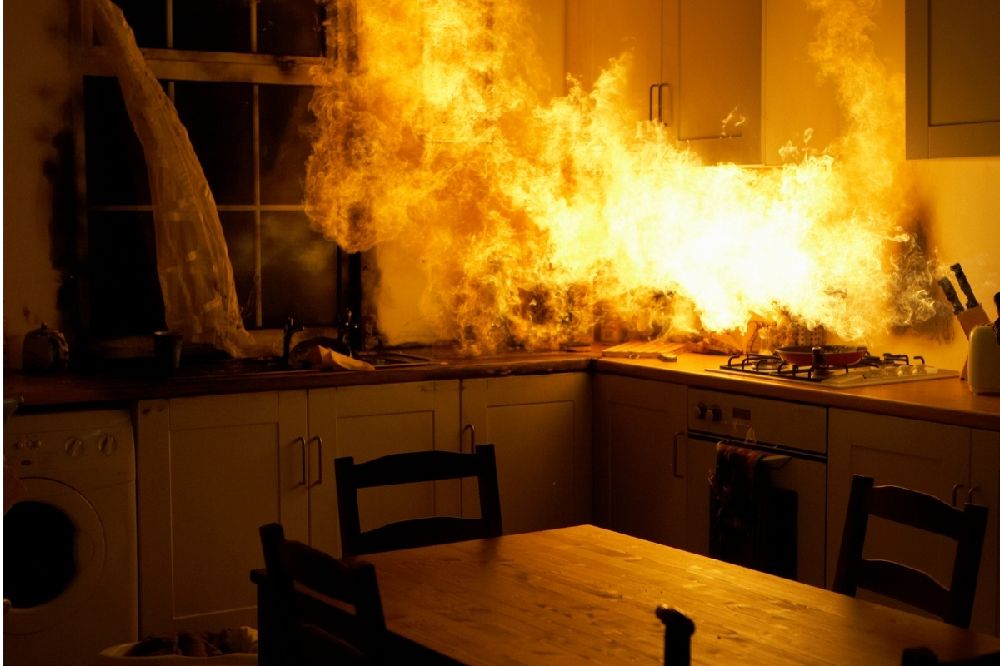
- Cooking unattended: The kitchen is where many house fires begin, often when someone is distracted or leaves the room.
- Electrical equipment and faulty wiring: Damaged electrical cords, overloaded power boards and ageing wiring can overheat and start fires.
- Home heating: Portable heaters, gas heaters, open fires and electric blankets are a common source of fires during the winter season.
- Smoking materials: Cigarettes that are not fully extinguished, and smoking in bed, are a leading cause of fatal fires.
- Open flames: A burning candle, oil burners and incense left unattended or placed near curtains.
- Flammable liquids and materials: Petrol, solvents and cleaning products stored near heat sources.
- Clothes dryers: Lint build-up in the lint filter is highly flammable.
Most of these fires are caused by everyday habits rather than faulty products, which means small changes make a real difference.
Kitchen Fire Safety: Fire Prevention Where Most Home Fires Start
The kitchen combines heat, cooking oils and electrical appliances in one small space, so it deserves extra attention.
Never leave cooking unattended
If you need to leave the kitchen, turn off the cooktop first. It only takes a few minutes for a pan of oil to overheat and ignite. Use a timer as a reminder when you are simmering, roasting or baking.
Keep the cooking area clear
- Keep tea towels, oven mitts, paper towel and packaging a safe distance from the cooktop.
- Wear close-fitting sleeves when cooking.
- Clean the range hood filter regularly, as built-up grease can catch fire.
- Wipe up oil and fat spills promptly.
Take care with cooking oils
Heat oil slowly and never fill a pan more than one-third full. Never throw water on an oil or fat fire, as this can cause burning oil to erupt violently. Instead, learn how to extinguish oil fires safely using a fire blanket or a tight-fitting lid.
Keep a fire blanket in the kitchen
A fire blanket is the simplest way to put out a small fire on the cooktop. Mount it on the wall near an exit, not directly above the cooktop, so you can reach it without leaning over the flames. To use it, pull the tabs, cover the pan completely, turn off the heat and leave the blanket in place until the pan has cooled. Read our step-by-step guide on using a fire blanket for more information.
Look after kitchen appliances
Unplug toasters, kettles and sandwich presses when not in use, clean crumb trays regularly and follow the manufacturer's instructions. Never leave the dishwasher or oven running overnight or while you are out.
Electrical Equipment and Faulty Wiring
Electrical fires often start quietly behind furniture or inside walls, so regular checks are an important part of household fire safety.
- Don't overload power boards: Avoid running high-wattage appliances from one board, and never piggyback power boards or plug double adaptors into extension leads.
- Check electrical cords and power points: Replace frayed or cracked cords, and stop using any power point that sparks, buzzes or feels warm.
- Watch for faulty wiring: Flickering lights, tripping circuits or scorch marks around switches mean it's time to call a qualified electrician. Never attempt DIY electrical work.
- Test your safety switches: Press the RCD test button every three months to confirm each one trips correctly.
- Use the clothes dryer safely: Clean the lint filter after every load and let the dryer finish its cool-down cycle before removing clothes.
Home Heating and Electric Blankets in the Winter Season
Home heating accounts for a rise in home fires every winter season. A few simple fire safety measures keep you warm and safe.
Heaters
- Keep portable heaters and gas heaters at least one metre from curtains, furniture, bedding and clothing.
- Never dry clothes on or near a heater.
- Turn heaters off before you leave the room or go to bed.
Electric blankets
Before the first cold night, check your electric blankets for frayed cords, scorch marks and worn controls. Lay the blanket flat, never fold it or tuck it in tightly, and turn it off before you get into bed. If you fall asleep with it on, heat can build up and start a fire. Replace electric blankets that are more than 10 years old.
Open fires and open fireplaces
Always use a fire screen in front of open fireplaces, and keep firewood and kindling a safe distance from the hearth. Have your chimney cleaned before each winter season. Make sure the fire is fully extinguished before going to bed or leaving the house, and dispose of ashes in a metal bucket away from the house.
Smoking, Candles and Flammable Liquids
- Smoking materials: Never leave lit cigarettes unattended or smoke in bed, and make sure butts are fully extinguished with water before emptying ashtrays. Ideally, smoke outside.
- Candles and oil burners: Keep a burning candle in a stable holder away from anything flammable, and never leave candles or oil burners unattended. Battery-operated candles are a safer alternative.
- Flammable liquids: Store petrol, thinners and aerosols in their original containers in a cool, ventilated area outside the home, away from heat sources and electrical equipment.
- Young children: Keep matches and lighters out of reach, and make sure any activity involving fire happens with adult supervision.
Fire Safety Measures Every Household Needs
Even with good fire prevention habits, every home needs the right fire safety equipment to provide early warning and stop a small fire before it spreads.
1. Working smoke alarms
Working smoke alarms are the single most important fire safety measure in any home. Smoke can overcome you while you sleep, and a smoke alarm gives you the early warning you need to get out.
- Install smoke alarms in every bedroom, in hallways outside sleeping areas and on every level of your home.
- Choose smoke alarms that comply with Australian Standard AS 3786. Photoelectric smoke detectors are recommended for homes.
- Test each smoke alarm monthly by pressing the test button, and vacuum the vents every six months.
- Replace smoke alarms every 10 years, or sooner if they fail testing.
2. Fire blanket
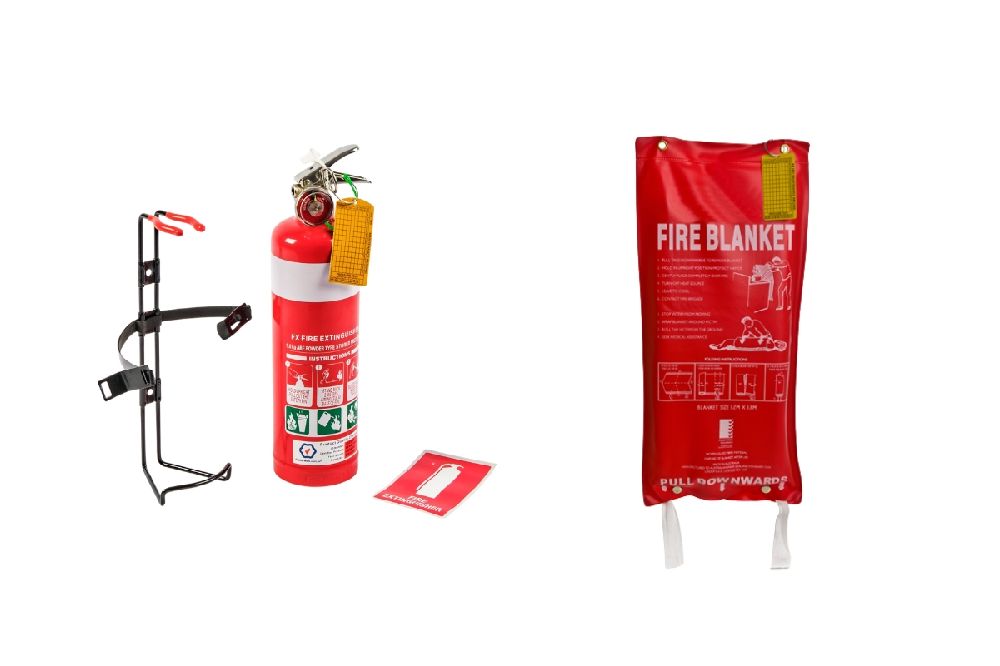
A fire blanket smothers small fires by cutting off oxygen. It is the preferred option for cooking oil and fat fires on the stovetop, and can also be used to wrap a person whose clothing has caught fire. Choose a fire blanket that complies with AS/NZS 3504 and mount it in the kitchen, near an exit.
3. Fire extinguisher
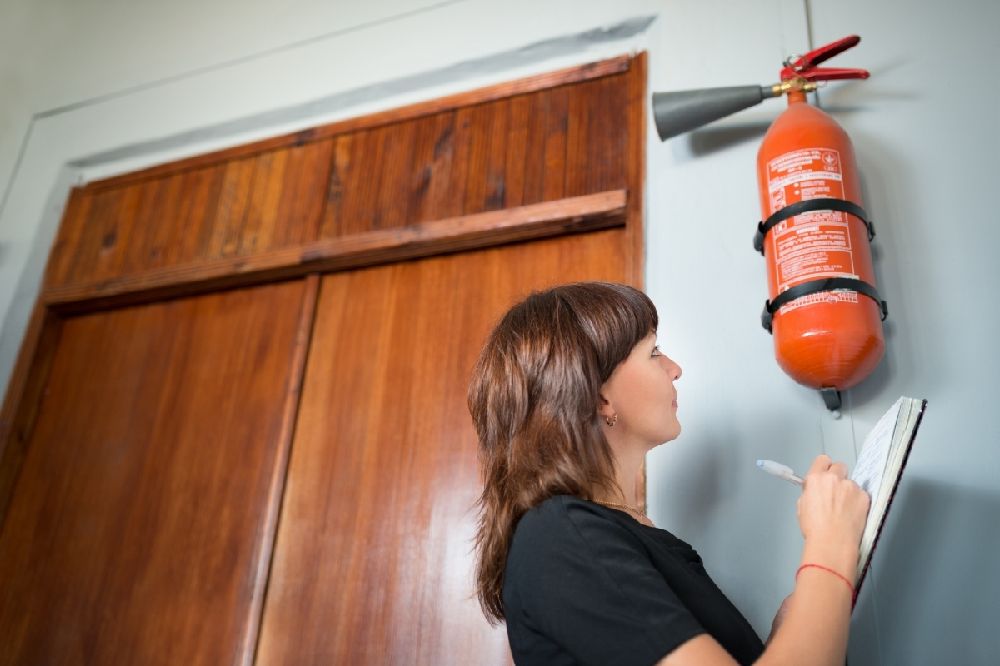
A home fire extinguisher lets you deal with a small fire safely before it spreads. For most homes, we recommend a 1kg to 2.5kg ABE dry chemical powder extinguisher, which is suitable for:
- Class A fires (ordinary combustibles such as wood, paper and fabric)
- Class B fires (flammable liquids)
- Class E fires (energised electrical equipment)
Note that ABE powder extinguishers are not suitable for cooking oil fires (Class F); use a fire blanket for these. Learn the differences between fire extinguisher types in our blog.
Make sure every adult in the household knows how to use it. You can learn how in our step-by-step guide or through a fire safety training course.
Make Fire Safety Simple with Fullworks Fire Safety
Fire prevention at home does not need to be complicated. By reducing everyday fire hazards, keeping working smoke alarms installed, having a fire blanket and fire extinguisher on hand, and practising your escape plan, you can protect your home and keep your family safe.
At Fullworks Fire Safety, we supply Australian Standards-compliant home fire safety equipment with nationwide delivery. For households in Perth and across Western Australia, our qualified team can also advise on the right equipment for your property.
Browse our online store or get in touch today.
The information in this blog is general guidance only and does not replace professional advice, so please contact a qualified fire safety professional to assess the specific requirements for your premises.
Frequently Asked Questions
What are the most common causes of house fires?
The most common causes of house fires are unattended cooking, faulty wiring and overloaded power boards, home heating such as portable heaters and electric blankets, smoking materials, and candles or oil burners left unattended. Most of these fires are preventable with simple daily habits and regular checks.
How often should I test my smoke alarms?
Test your smoke alarms once a month by pressing the test button, and clean the vents with a vacuum every six months. If your alarms have replaceable batteries, change them every year. Replace the whole smoke alarm every 10 years, as the sensors lose sensitivity over time.
What should I do if a pan catches fire?
Turn off the heat if it is safe to do so, then cover the pan completely with a fire blanket or a tight-fitting lid. Leave it covered until it has fully cooled. Never use water on an oil or fat fire, and never try to carry the burning pan outside. If the fire spreads, get out and call Triple Zero (000).
Are electric blankets safe to use?
Electric blankets are safe when they are in good condition and used correctly. Check them for damage before each winter season, lay them flat on the bed, and turn them off before you go to sleep. Replace any blanket with frayed cords, scorch marks, faulty controls, or that is more than 10 years old.
How do I make a home fire escape plan?
Draw a floor plan showing two escape routes from every room, choose a safe meeting place outside, and assign someone to help young children or anyone who needs assistance. Then practise your plan with fire drills at least twice a year, including at night. Read our guide to a home fire safety plan for more information.
How can I make my home fire safe for young children?
Keep matches, lighters and candles out of reach, use a fire screen in front of open fireplaces and heaters, and supervise children closely in the kitchen. Teach children what the smoke alarm sounds like, how to get low under smoke, and where to meet outside. Include them in your fire drills so they know exactly what to do.