
_860.jpeg "What are the Different Types of Fire Hydrants?")
When you picture a fire hydrant, you probably imagine the classic red pillar standing on a street corner. But fire hydrants come in quite a few different forms, and the type you'll encounter depends largely on where you are and what the building or property needs. In Australia, most of us walk past fire hydrants every day without realising they're right beneath our feet.
Understanding the different types of fire hydrants isn't just useful trivia. If you're a property manager, business owner, or rural landholder, knowing which hydrant system you have (or need) can make a real difference when it comes to compliance, emergency preparedness, and protecting lives and property.
How do Fire Hydrants Work?
Before we look at the different types of fire hydrants, it helps to understand the basics of how fire hydrants work.
A fire hydrant is essentially a valved connection point to a pressurised water supply. When firefighters arrive at a scene, they remove the caps or covers, attach hoses or a stand-pipe, then open the valve. Water flows from the main at high volume and pressure, typically at least 20 litres per second at 200 kilopascals in Australia according to AS 2419.1.
The key components include the barrel (the visible part, above or below ground), a main valve, a stem nut to operate it, outlets or nozzles for hose connections, and sometimes drain ports or colour-coded bonnets that indicate flow capacity.
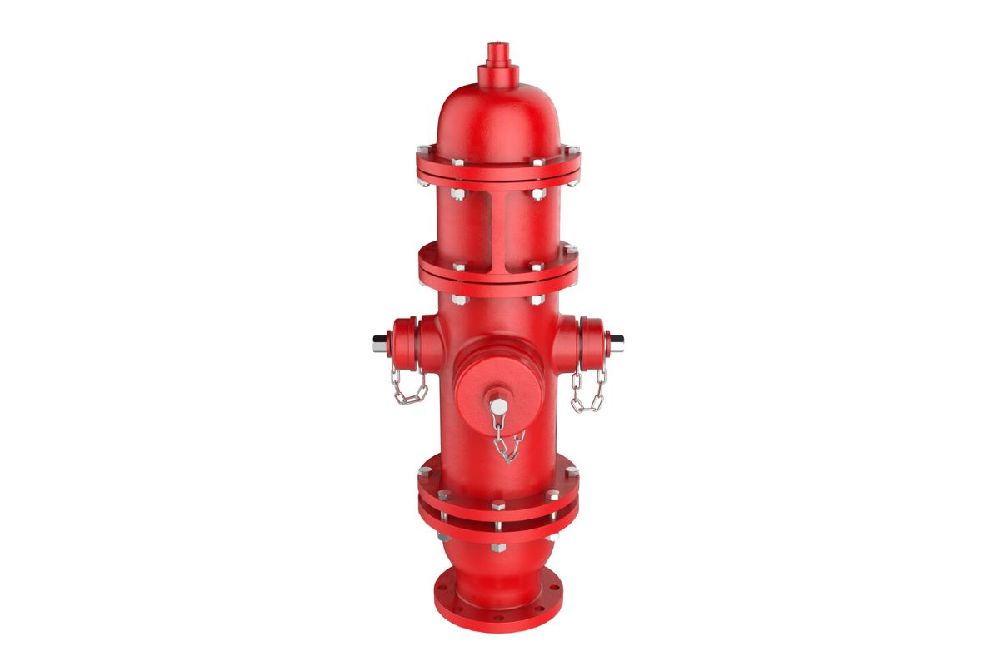
Wet Barrel Hydrants
Wet barrel hydrants are permanently filled with water right up to the outlets. Each outlet has its own valve, so firefighters can connect hoses and open individual outlets as needed.
This design allows the fastest possible deployment because there's no waiting for water to fill the barrel. You'll find wet barrel hydrants commonly used across coastal Australia, particularly on industrial estates, at ports, and around airports. They're ideal for mild or warm climates where freezing temperatures aren't a concern.
The trade-off is that if the hydrant is damaged, water will leak continuously until the main supply is shut off. That's why you won't see them in regions with freezing winters.
Dry Barrel Hydrants
Dry barrel hydrants solve the freezing problem. The main valve sits well below the frost line, and the barrel itself remains empty (dry) until the hydrant is operated. When firefighters open the valve, water rushes up into the barrel and out through the outlets.
These hydrants are standard in North America and Europe, where winter temperatures regularly drop below zero. In Australia, dry barrel fire hydrants are rare. You might encounter them in alpine areas like Thredbo or Mount Hotham, but for most of the country, they're simply not necessary.
Dry barrels take slightly longer to charge with water, and they require drain ports to empty after use, which adds a bit of complexity to maintenance.
Underground (Flush-Type) Hydrants
If you're in an Australian city or town, the fire hydrants you pass every day are almost certainly underground hydrants. The entire hydrant assembly sits below ground in a pit, with only a small cast-iron surface plate marked with an "H" visible at street level.
Firefighters insert a stand-pipe into the fitting to open the valve and connect their hoses. This design keeps the hydrant out of the way of traffic and pedestrians, and it's the standard used by water utilities such as the Water Corporation.
Most underground hydrants in Australia are wet systems because our climate doesn't require freeze protection. You might notice the covers painted in different colours (often yellow with a red lid, or white and blue) depending on local council standards.
Pillar (Above-Ground) Hydrants
Pillar hydrants are the free-standing columns most people recognise. They can be either wet or dry barrel, depending on the climate and application.
Above-ground hydrants are easier to locate in an emergency, and they often feature multiple outlets so several hoses can be connected at once. In Australia, you'll see pillar hydrants on private property, particularly at industrial sites, warehouses, and mining operations. They're part of a dedicated fire-main system rather than the public water supply.
These hydrants need to be clearly marked and maintained regularly. At Fullworks Fire Safety, we supply hydrant signage, locking wheels, and all the fire equipment you need to keep your hydrant system compliant and ready.
Dry Hydrants for Rural Areas
Dry hydrants serve a completely different purpose. They're not connected to a pressurised water main at all. Instead, a dry hydrant is a permanently installed pipe that runs from a static water source (like a dam, tank, or creek) to a connection point on solid ground.
Rural fire brigades use dry hydrants as drafting points. They connect a pump to the fitting and draw water directly from the source. This setup is invaluable in areas without reticulated water supply, and it's becoming increasingly popular on rural properties as part of bushfire preparedness plans.
If you own a lifestyle block or rural property in Western Australia, installing a 65 mm Storz dry hydrant into your existing water tank can provide a reliable water source for firefighters. It's a practical step that can make a real difference during bushfire season.
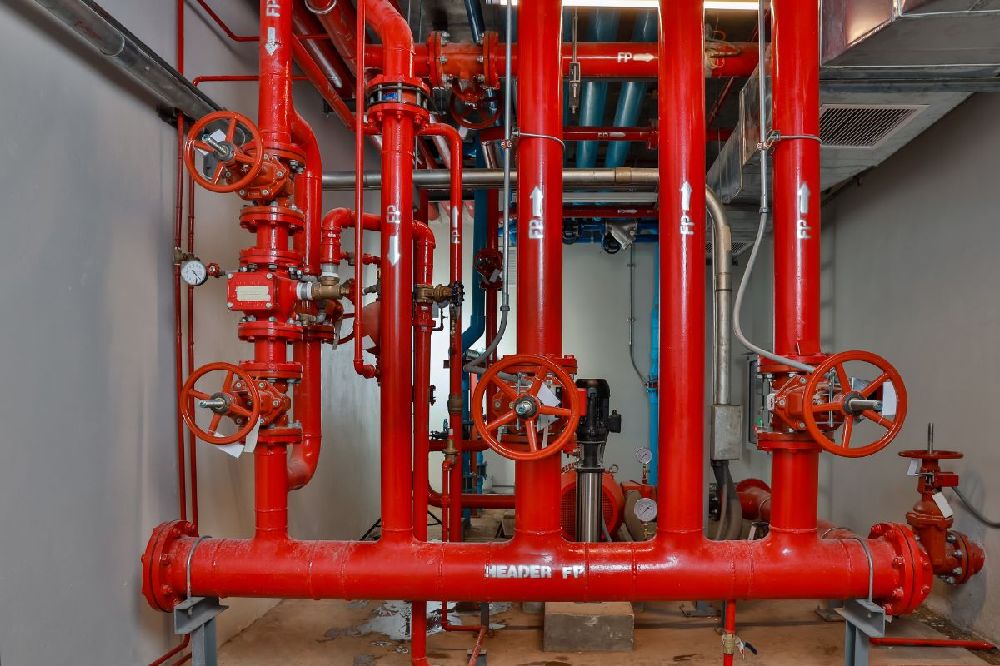
Standpipe and Internal Hydrant Systems
In multi-storey buildings like apartments, offices, and hospitals, you'll find internal hydrant systems (standpipe systems). These consist of fixed 65 mm landing valves installed in stairwells or corridors, supplied by onsite pumps and water tanks.
Internal hydrants are regulated under the National Construction Code (NCC) 2022 and AS 2419.1-2021. They're designed so firefighters or trained occupants can attack a fire from inside the building before it spreads.
These systems also include fire sprinklers in many cases, creating multiple layers of fire protection. Regular fire hydrant servicing and flow testing under AS 1851 is mandatory to keep these systems ready.
What are the Different Types of Hydrant Colours and what do They Mean?
You might have noticed that some hydrants have coloured caps or bonnets. This colour coding indicates the hydrant's flow capacity.
In Australia, colour standards vary by council and water authority. Some use a yellow body with a red lid for street hydrants, while underground covers might be painted white or blue with an "H" marking. The colours help firefighters quickly assess which hydrants will deliver the water volume they need.
Compliance and Maintenance in Australia
Fire hydrant systems in Australia must comply with AS 2419.1-2021, which sets out design, installation, and commissioning requirements. The 2021 update introduced stricter flow rates (minimum 10 litres per second) and now requires booster pumps if a building has more than two feed hydrants.
Once installed, hydrants need regular inspection and testing under AS 1851. Private hydrants should be flow-tested at intervals specified in the standard (typically six-monthly or annually depending on the system). Asset owners can face prosecution for failing to maintain their fire protection systems, and SafeWork authorities are increasingly auditing compliance.
If you're responsible for a hydrant system, keeping up with scheduled maintenance isn't optional. It's a legal requirement and a critical part of protecting your property and the people who use it.
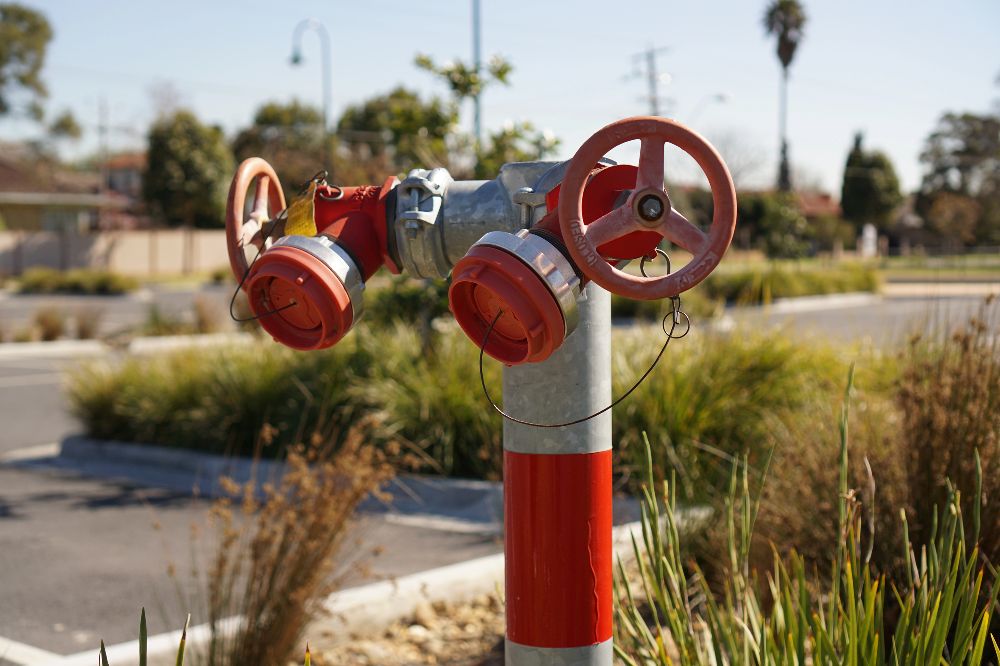
How to Choose the Right Hydrant for Your Property
The type of fire hydrant you need depends on your location, climate, water supply, and the specific fire protection requirements of your building or site.
For most Australian metro properties, underground or pillar wet hydrants connected to the municipal water supply are the standard. Rural properties might benefit from a dry hydrant connected to a static tank. Multi-storey buildings require internal standpipe systems designed and installed to AS 2419.1.
If you're unsure what your property needs, it's worth getting expert advice from industry professionals who can best assess your situation.
Keeping Your Hydrant System Ready When It Matters
Fire hydrants are one of those things you hope you'll never need to use, but when an emergency happens, they need to work perfectly. Whether it's an underground hydrant outside your business, a pillar hydrant on an industrial site, or a dry hydrant on your rural property, regular maintenance and compliance with Australian Standards gives you confidence that your fire protection is ready.
At Fullworks Fire Safety, we supply hydrant nozzles, hoses, signage, and all the components you need to keep your system compliant. We also provide fire hydrant servicing and flow testing throughout Perth Metro. Contact us today to discuss your fire hydrant needs or book a service.
FAQs
What Australian Standard governs the installation of new fire hydrant systems?
New fire hydrant installations in Australia must comply with AS 2419.1-2021, which covers system design, installation, and commissioning. This standard is referenced in the National Construction Code (NCC) 2022 Volume One, making compliance mandatory for all new construction and major renovations. The 2021 update introduced stricter flow requirements and new provisions for bushfire-prone areas.
Can I install a dry hydrant on my rural property for bushfire protection?
Yes, installing a dry hydrant on rural property is an excellent bushfire preparedness measure. A dry hydrant is a non-pressurised pipe installed into a dam, tank, or other static water source with a Storz or 65 mm fitting at ground level. This allows rural fire brigades to quickly draft water using their pumps. Check with your local fire service for guidelines on placement and specifications.
How often should a private fire hydrant be flow-tested under AS 1851?
AS 1851 specifies different testing intervals depending on the type of hydrant system. Most private hydrant systems require flow testing every six months, though some may be annual depending on the specific installation and risk classification. Regular testing ensures your system maintains the required pressure and flow rate, and it's a legal compliance requirement for property owners.
Why are some street hydrant covers painted different colours?
Hydrant cover colours in Australia vary by water authority and local council. Many councils use yellow bodies with red lids for reticulated street hydrants, while underground covers might be painted white or blue with an "H" marking. The colours help emergency services quickly identify hydrant locations, though colour coding systems aren't standardised nationally like they are in some other countries.
Do wet barrel and dry barrel hydrants deliver the same water pressure?
Both wet barrel and dry barrel hydrants can deliver the same water pressure and flow rate, as this depends on the water main they're connected to rather than the hydrant type itself. The main difference is operational: wet barrels deliver water immediately when opened, while dry barrels take a few extra seconds to charge with water. In Australia, where most hydrants are wet systems, pressure and flow are governed by AS 2419.1 requirements.


