
Most people assume a house fire won't happen to them. The reality is that across Australia, an average of 64 preventable residential fire deaths occur every year, according to a Bushfire & Natural Hazards CRC study covering 2003 to 2023. The good news is that basic home fire safety doesn't require expert knowledge or a large budget. It requires awareness, the right equipment, and a simple plan.
Whether you're in Perth, regional Western Australia, or anywhere else in the country, the fundamentals are the same. A strong understanding of fire safety starts with the basics. This informative blog is a great place to begin, helping you learn what to look for, how to reduce risks and why fire safety matters in everyday life.
1. Fire Prevention Starts with Awareness
You can't protect against a risk you’re not aware exists. In homes across Western Australia, the most common ignition sources include:
- Cooking: Nationally, 49% of residential fires start in the kitchen (AFAC Residential Fire Data Summary 2024). Never leave cooking unattended, and keep tea towels and other flammables well away from the stovetop.
- Faulty wiring and electrical faults: According to the Department of Fire and Emergencies, electrical faults have been a leading cause of house fires in WA, with lithium-ion battery failures now an emerging hazard.
- Heaters and open fires: Portable heaters placed too close to curtains or bedding, and unattended candles or oil burners, are consistent contributors to home fires.
- Smoking materials: Unextinguished cigarettes remain a significant risk, particularly in bed or on soft furnishings.
Awareness is the starting point. Once you know where the danger is, you can take steps to reduce it.
2. Install and Maintain Working Smoke Alarms
A smoke alarm is one of the simplest and most effective forms of protection your home can have.
In Western Australia, the law requires all homes being sold, rented, or hired to have mains-powered or 10-year lithium-battery smoke alarms installed on every storey, and the alarms must be less than 10 years old. You can read the full requirements on the WA Building & Energy smoke alarm laws page.
Smoke alarms should comply with AS 3786:2023, which covers the design and installation standards.
It is good to note that if your smoke alarm references AS3786:2014, it is still applicable in WA and remains the baseline for WA’s building regulations.
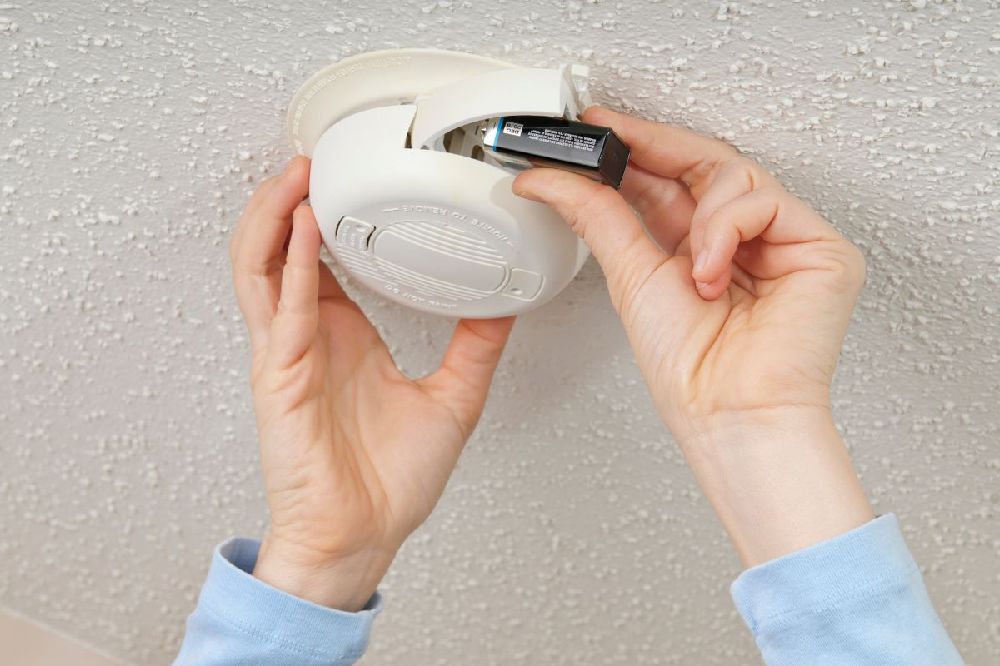
Test your alarms monthly, replace batteries annually (unless they're sealed 10-year units), and replace the entire unit after 10 years.
3. Equip Your Home with the Right Fire Safety Equipment
Smoke alarms alert you. The right firefighting equipment gives you the ability to respond to the fire before it spreads.
A well-equipped home should include:
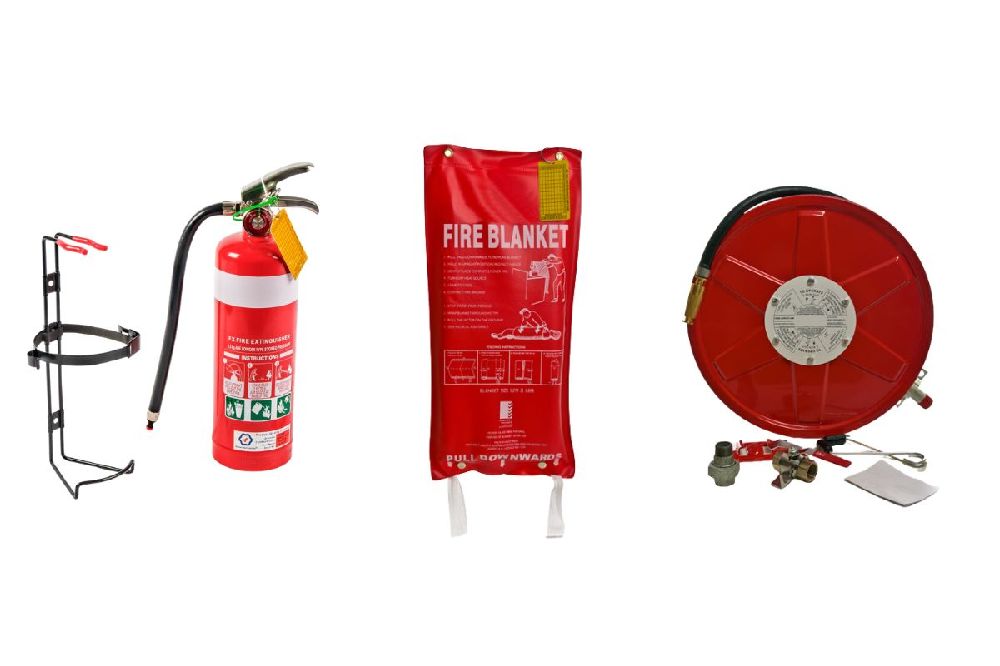
- A fire extinguisher: An ABE dry chemical powder extinguisher is suitable for Class A (combustibles), Class B (flammable liquids), and Class E (electrical) fires, making it a practical all-rounder for domestic use. Mount it in an accessible location, and make sure everyone in the house knows where it is.
- A fire blanket: Ideal for smothering small cooking fires or wrapping around a person if clothing catches alight. Our 1m x 1m fire blanket is a popular choice for kitchens and is straightforward to use.
- Hose reels: For properties with hose reel systems, ensure they are serviced regularly and accessible.
If you're not sure where to start, our basic home fire safety kit bundles the essentials together, and can be delivered right to your door, wherever you're based in Australia.
It’s important to check that all your fire-related equipment complies with the relevant Australian Standards and is serviced in line with AS 1851:2022, which covers routine servicing of fire protection systems.
4. Create a Home Fire Escape Plan
Having a home fire safety plan means your household knows exactly what to do if a fire starts, without having to think under pressure.
A solid home fire escape plan includes:
- Two exit routes from every room wherever possible. A small fire can engulf an entire room in two to three minutes, leaving little time to escape, so it’s important to have at least two exits.
- A designated meeting point outside (e.g., the front letterbox or a neighbour's driveway). It’s important to have a meeting point, as it eliminates the chaos of scattered people outside and allows for quick headcounts.
- It’s important to make sure windows can always be opened from the inside. If not, things could become very dangerous if the exit door is blocked. If you lock your windows or security screens regularly, leave the keys either in or near the lock so no one becomes trapped.
- A firm rule to be established: once you're out, do not re-enter the building for any reason.
Practice your plan with all household members, including children. Fire drills at home feel unnecessary until they're not. AS 3745:2021 covers emergency planning and procedures, and while it's primarily aimed at commercial buildings, the principles translate directly to home fire escape planning.
If you'd like help preparing a formal evacuation plan, we offer fire evacuation plan consulting for homes and businesses throughout Perth.
5. Electrical and Heating Safety
A few straightforward habits significantly reduce electrical fire risk at home:
- Use safety switches on all circuits and test them every three months
- Avoid double adaptors and overloaded power boards
- Don't leave electric blankets on while you sleep, and replace any with frayed cords
- Clean your clothes dryer's lint filter after every use
- Have faulty wiring or appliances inspected by a qualified electrician before continued use
With more Australians using portable heaters during winter, it's worth noting that heater-related incidents have been increasing. Keep heaters at least one metre from anything flammable, and never leave them running unattended.
6. What to Do When a Fire Starts
If a fire starts in your home, stay calm and act quickly. The sequence is straightforward:
- Alert everyone in the building immediately.
- Call emergency services on 000.
- If the fire is small and contained, use your fire extinguisher or fire blanket, following the manufacturer's instructions.
- If the fire is spreading or you have any doubt about safety, leave immediately using your planned escape routes.
- Close doors behind you to slow the spread of smoke and flames.
- Once outside, stay outside.
Never attempt to fight a fire that has grown beyond a very early stage. Your life and the well-being of your household matter far more than any possessions or property.
Basic Home Fire Safety Checklist
Use this checklist to assess your home's readiness:
- Smoke alarms are installed on every storey and were tested recently.
- Smoke alarms less than 10 years old and compliant with AS 3786:2014 or AS3786:2023.
- Fire extinguisher mounted in an accessible location.
- Fire blanket stored in or near the kitchen.
- Home fire escape plan discussed and practised with all household members.
- Two exit routes identified from each room.
- Safety switches installed and tested.
- Electrical appliances and wiring in good condition.
- Clothes dryer lint filter cleaned regularly.
- Candles, oil burners, and heaters are used safely and never left unattended.
Why is Basic Home Fire Safety Important?
Overall, basic home fire safety is an essential part of keeping your household protected. While fires can happen unexpectedly, simple precautions such as maintaining smoke alarms, keeping exits clear, using appliances safely and having an escape plan can greatly reduce the risk and help everyone respond quickly in an emergency.
By making fire safety part of your everyday routine, you can create a safer home environment and give yourself greater peace of mind. A few small habits can make a significant difference when it comes to protecting your family, your pets and your property.
For personalised advice or to book a free fire safety survey, get in touch with our team. If you want to learn more about home fire safety, we offer on-site training in Perth to equip your household with the skills to respond confidently in an emergency.
Frequently Asked Questions
What fire safety equipment is required by law in WA homes?
Western Australian law requires working smoke alarms on every storey of a home being sold, rented, or hired. These must be mains-powered or fitted with a 10-year lithium battery and must be less than 10 years old.
Another requirement is installing Residual Current Devices (RCDs) in your home’s switchboard. These can prevent electric shocks and electrically caused fires by monitoring the electrical current flowing through the wires in your circuit. If it detects an imbalance (such as electricity leaking to the ground), it instantly cuts the power. It is a life-saving mechanism, and WA law requires at least 2 RCDs to be installed in homes.
While fire extinguishers and fire blankets are not legally mandated in all private residences, they are strongly recommended as part of basic home fire safety.
How many smoke alarms do I need in a two-storey house?
You need at least one smoke alarm on each storey. Positioning them in hallways near bedrooms and on the ground floor is generally recommended. Check the WA Building & Energy guidelines for your specific situation, as requirements can vary depending on when the home was built.
Can I service my own fire extinguisher?
Basic checks, such as inspecting the pressure gauge and checking for visible damage, can be done by the homeowner. However, formal servicing to meet the requirements of Australian Standard AS 1851:2022 must be carried out by a qualified technician. We recommend having your extinguisher professionally serviced at the intervals specified on the unit or by your technician.
How often should I replace a fire blanket?
Fire blankets are designed for single-use only. Once exposed to flame or hot oils, the flame-retardant material is compromised, so you must replace it immediately after any use (or if they show signs of damage or deterioration). Always follow the manufacturer's instructions for your specific product. As a general guide, a fire blanket that is well stored and undamaged can last around 5-10 years, but it's worth checking it periodically as part of your regular home fire safety review.


