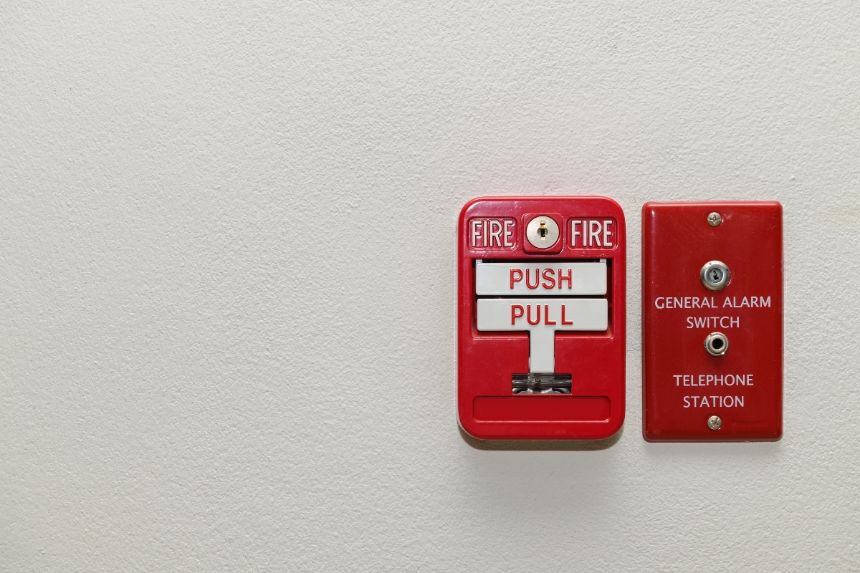
Every business has fire risks, from electrical equipment and flammable materials to blocked exits and out-of-date extinguishers. A fire risk assessment helps you find those risks early, put the right fire safety measures in place and meet your obligations under Australian WHS laws.
This guide explains how to complete a fire risk assessment step by step and includes a complete fire safety checklist you can use in your own workplace.
What is a Fire Risk Assessment?
A fire risk assessment is a structured review of your workplace that identifies potential fire hazards, evaluates the risk of fire occurring and checks whether your existing fire safety measures are adequate. It gives you a clear picture of where fire risks sit in your business and what you need to do to reduce them.
In Australia, businesses have a legal duty under work health and safety laws to identify hazards, manage risks and prepare an emergency plan for the workplace. A fire safety risk assessment is one of the most practical ways to meet those obligations and demonstrate regulatory compliance.
A thorough fire safety assessment helps you:
- Identify fire hazards before they cause fire incidents
- Evaluate risks to staff, visitors and contractors
- Confirm your fire safety equipment and fire protection systems are working and correctly maintained
- Put appropriate control measures in place to mitigate risks
- Prepare clear emergency procedures and evacuation procedures
- Keep records that support fire safety inspections and audits
Whether you run a small office, a retail store, a warehouse or a light industrial site, the process follows the same core steps.
How to Complete a Fire Risk Assessment in Five Steps
A comprehensive fire risk assessment follows five steps. Work through them in order and document your findings as you go.
Step 1: Identify fire hazards
Fire needs three things:
- Ignition sources: Electrical equipment, faulty electrical systems, overloaded power boards, heaters, cooking appliances, open flames, hot work such as welding or grinding, and smoking areas
- Fuel sources: Flammable materials, combustible materials such as paper, cardboard, packaging and timber pallets, flammable liquids, gases and other hazardous materials
- Oxygen sources: Ventilation systems, open doors and windows, and oxygen cylinders or oxidising chemicals
Hazard identification starts by walking through every area of your premises and noting anything that could start or feed a fire. Pay close attention to high-risk areas such as kitchens, workshops, plant rooms, storage areas and waste collection points.
Step 2: Identify people at risk
Next, consider who could be harmed if a fire occurs. This includes employees, visitors, customers, contractors, and anyone working alone or after hours. Give extra consideration to people who may need help to evacuate, such as people with a disability, people unfamiliar with the building, or anyone working in remote parts of the site.
Step 3: Evaluate risks and existing fire safety measures
For each hazard, evaluate both the likelihood of a fire occurring and the potential consequences if it does. A simple rating of low, medium or high is enough for most small businesses. Then review your existing fire safety measures and ask whether they are adequate for the identified risks:
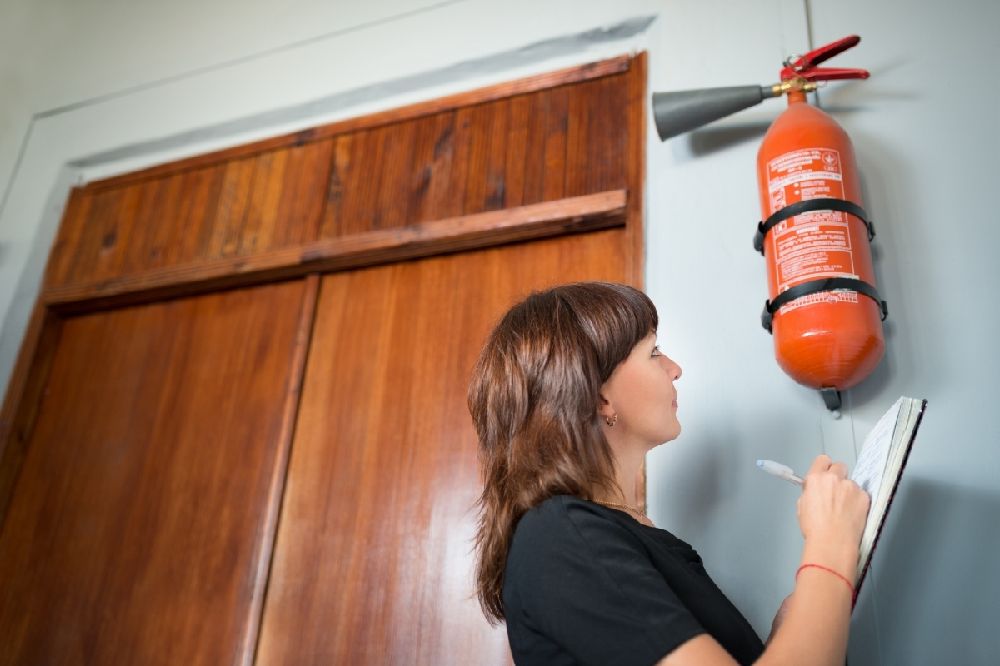
- Are fire extinguishers, fire blankets and hose reels the right type, in the right locations and in date?
- Are smoke detectors, smoke alarms and fire alarm systems installed and tested?
- Are emergency lighting and exit signage working?
- Are escape routes and emergency exits clear and clearly marked?
- Are fire doors self-closing and kept shut?
Step 4: Apply control measures
Where existing safety measures fall short, put appropriate control measures in place to reduce fire risks. Under WHS law, you should work through the hierarchy of controls, starting with the most effective option:
- Eliminate the hazard (remove unnecessary flammable materials).
- Substitute it with something safer (use a less flammable cleaning product).
- Isolate it (store flammable liquids in an approved cabinet away from ignition sources).
- Use engineering controls (install fire detection, sprinkler systems or improved ventilation).
- Use administrative controls (fire safety training, housekeeping rules, hot work permits).
- Provide equipment and PPE (workplace fire safety equipment and protective gear).
Step 5: Record, plan, train and review
Record your significant findings, the control measures you have applied and who is responsible for each action. Use your findings to update your emergency plan, run fire drills and deliver fire safety training to staff.
Review your fire risk assessment at least once a year, and sooner if you change the layout of your premises, introduce new processes or equipment, store new hazardous materials, or experience a fire incident or near miss.
Learn more about basic fire safety in our recent guide that covers the essentials.
Fire Risk Assessment Checklist for Businesses
Use this fire safety checklist as a starting point for your own risk assessment template. Tick off each item as you inspect your premises and note any actions required.
Fire hazard identification
- Flammable materials and combustible materials are stored away from ignition sources.
- Flammable liquids and hazardous materials are kept in approved containers or cabinets.
- Waste, packaging and cardboard are removed regularly and not left in walkways.
- Electrical equipment is tested and tagged, with no damaged cords or overloaded power boards.
- Hot work and open flames are controlled with a permit system.
- Smoking is restricted to designated outdoor areas.
Fire safety equipment
- Fire extinguishers are the correct type for the fire risks present (Class A, B, C, E or F).
- Fire extinguishers and fire blankets are located and signed in line with AS 2444.
- Fire blankets are installed in kitchens and staff rooms.
- Hose reels and hydrants are accessible and unobstructed.
- All fire fighting equipment has a current service tag, inspected and tested in line with AS 1851. Read our recent blog to learn how to read different fire extinguisher tags.
Fire detection and fire protection systems
- Smoke detectors and smoke alarms are installed and tested.
- Fire alarm systems are serviced and fault-free.
- Sprinkler systems are maintained, and heads are not obstructed.
- Emergency lighting and exit signs operate correctly and are tested in line with AS 2293.
Escape routes and fire doors
- Escape routes and paths of travel are clear of obstructions.
- Emergency exits open easily from the inside without a key.
- Fire doors close fully, latch correctly and are never wedged open.
- Evacuation diagrams are displayed and current.
Emergency preparedness and training
- A written fire safety plan is in place and accessible to all workers.
- Wardens or nominated safety personnel are appointed for each area or shift.
- Fire drills are held at least once a year and the results recorded.
- Staff have completed fire safety training, including how to use fire extinguishers.
- A designated assembly area is set and known to all staff.
Records and review
- Findings, actions and responsible persons are documented.
- Servicing records for all fire safety systems are up to date.
- A review date for the fire risk assessment is set.
Get Expert Help With Your Fire Risk Assessment
At Fullworks Fire Safety, we work with Perth businesses to make fire safety simple. We offer free fire safety surveys, evacuation plan preparation, servicing and testing to AS 1851, and our on-site First Line of Defence fire safety training.
Our qualified technicians can help you identify potential fire hazards, review your existing fire safety measures and recommend practical solutions at transparent prices.
Get in touch today to book your free survey.
The information in this blog is general guidance only and does not replace professional advice, so please contact a qualified fire safety professional to assess the specific requirements for your premises.
Frequently Asked Questions
Is a fire risk assessment a legal requirement in Australia?
Australian WHS laws require businesses to identify hazards, manage risks to health and safety, and prepare an emergency plan for the workplace. Fire is one of the key risks you must manage. A documented fire safety risk assessment is the most practical way to show you have met these duties. Building owners also have obligations under the National Construction Code and state building regulations to maintain essential fire safety systems.
Who should carry out a fire risk assessment?
A business owner, manager, or nominated person with a good understanding of the workplace can complete a fire risk assessment for a simple, low-risk premises. For larger sites, high-risk areas or premises that store hazardous materials, we recommend consulting fire safety professionals to make sure nothing is missed.
How often should I review my fire risk assessment?
Review your fire risk assessment at least once a year. You should also review it after any significant change, such as a new layout, new equipment, new processes, a change in the number of people on site, or after a fire incident or near miss.
What are the most common fire hazards in a workplace?
The most common fire hazards include faulty electrical systems and equipment, overloaded power boards, poor housekeeping, incorrectly stored flammable liquids, unattended cooking, heaters placed near combustible materials, and uncontrolled hot work such as welding or grinding.
How often do fire extinguishers need to be serviced?
Under AS 1851, portable fire extinguishers must be inspected and serviced every six months, with further testing at set intervals over the life of the extinguisher. Fire blankets, hose reels, emergency lighting and other fire safety systems also have set inspection and testing schedules under the Standard.


