
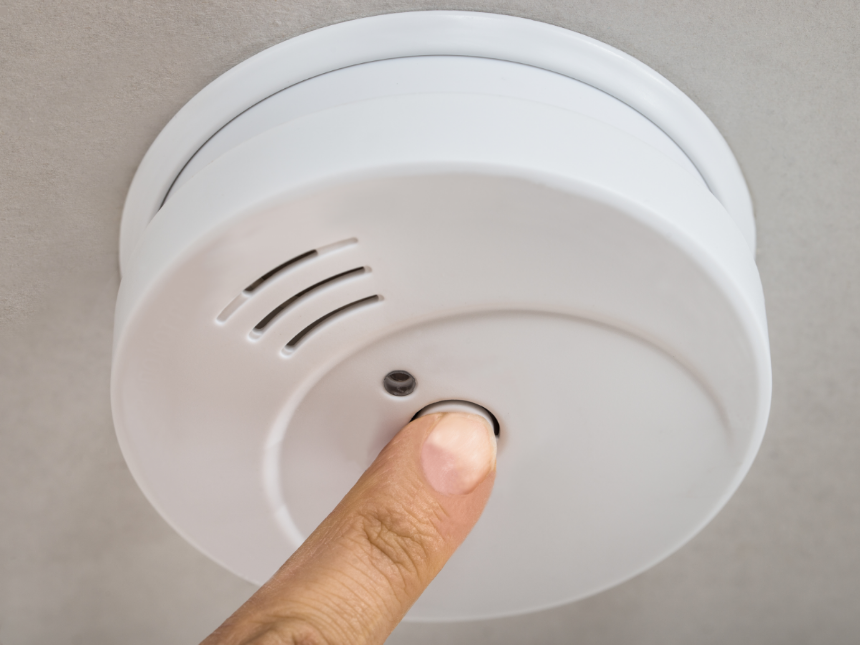
So, how often should smoke alarms be tested? The answer is once a month. The Department of Fire and Emergency Services (DFES) recommends pressing the test button monthly, cleaning your smoke alarms every year and replacing them every 10 years.
A working smoke alarm is one of the most important fire safety measures in any home. In this guide, we cover how to test your smoke alarms, how to look after them and what the smoke alarm laws in Western Australia mean for homeowners, landlords and property managers.
Your Smoke Alarm Testing Schedule
Here is a simple smoke alarm maintenance schedule, based on DFES smoke alarm guidance:
How often | What to do |
Every month | Press the test button to check that the alarm sounds |
Every year | Clean the alarm and replace a 9-volt alkaline battery, if your alarm uses one |
Every 10 years | Replace the smoke alarm |
Monthly testing is the most important step, as it confirms you have a working smoke alarm.
How to Test Your Smoke Alarms
To test your smoke alarm:
- Press and hold the test button for up to 10 seconds, until you hear the alarm sound.
- If your smoke alarms are interconnected, check that the other alarms in your home sound too.
- If the alarm does not sound, check the battery or contact a licensed electrician to inspect a mains-powered alarm. If you rent, tell your landlord or property manager.
Smoke alarm beeps, faults and false alarms
A smoke alarm that beeps or chirps on its own often points to low battery power or a fault. Check the manufacturer's instructions for what the sounds mean for your model. If you notice frequent false alarms or other smoke alarm faults, clean the alarm as described below. If the problem continues, have the alarm checked or replaced.
If your smoke alarm activates and there is a fire, get everyone out and call emergency services on 000.
Smoke Alarm Maintenance and Batteries
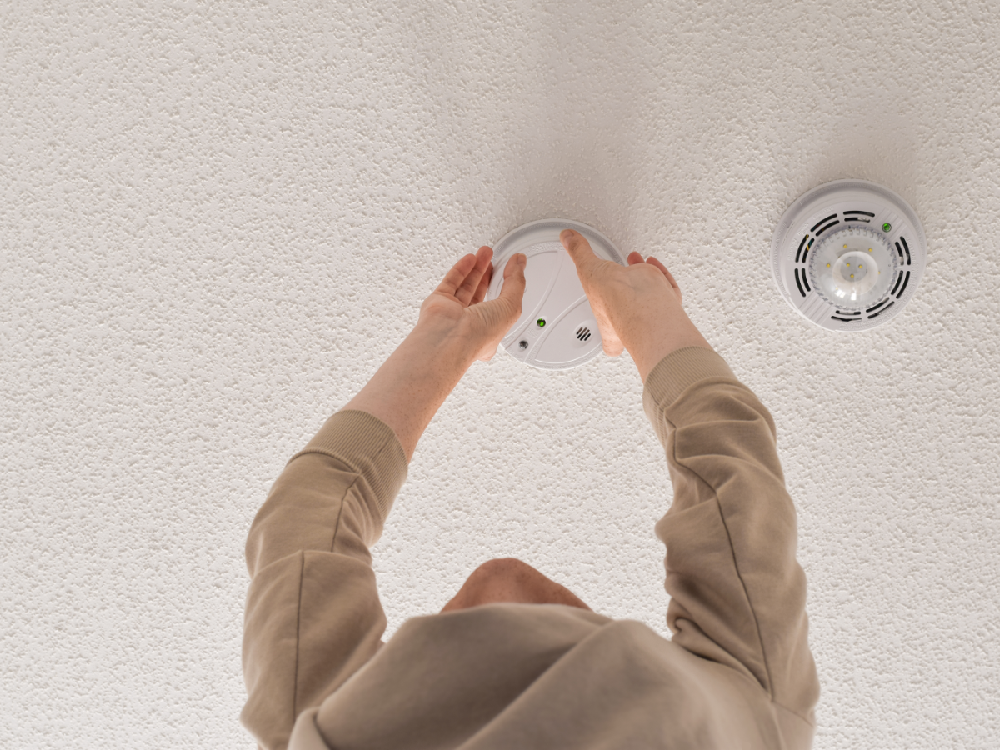
Dust and cobwebs can build up inside a smoke alarm over time. Once a year, use a vacuum cleaner with a soft brush attachment to gently clean around the alarm.
Smoke alarm batteries
Smoke alarm batteries need different care depending on the type of alarm:
- 9-volt alkaline batteries: in battery-powered smoke alarms that use them, replace batteries every year.
- 10-year lithium batteries: these are built in and should not be replaced. Replace the whole alarm at the end of its life.
- Mains-powered alarms: these run on mains power and usually include a back-up battery. Replace the back-up battery as the manufacturer's instructions recommend.
Smoke Alarm Laws in Western Australia
Smoke alarm laws in Western Australia have tightened over time. According to DFES:
- Since 1 July 1997, mains-powered smoke alarms have been mandatory in all new residential buildings, and in homes that have undergone significant renovations since that date
- Since 1 October 2009, all existing residential buildings must have mains-powered smoke alarms installed before being sold, rented or hired
- Since 1 May 2015, new homes must have interconnected smoke alarms
Permanently connected to mains power
To be compliant, smoke alarms must be permanently connected to the building's mains power supply, meet Australian Standard AS 3786 and be installed according to the Building Code of Australia. These hardwired alarms must be installed by a licensed electrician.
In some homes, there is no hidden space to run wiring and no other suitable location for a mains-powered alarm. In these cases, a 10-year lithium battery smoke alarm can be used instead. Smoke alarms with 9-volt alkaline batteries cannot be used to meet these requirements.
Rental properties and property managers
Landlords and property managers must install mains-powered smoke alarms in all rental properties, including short-term rental accommodation. They must also ensure the alarms are working and less than 10 years old, and repair or replace a faulty alarm, including its back-up battery if needed.
Tenants must tell their landlord or agent if a smoke alarm is not working. A tenant is only responsible for changing a 9-volt alkaline back-up battery if the alarm is easily accessible.
Annual Smoke Alarm Testing and Compliance Services
Alongside regular testing at home, some property owners and property managers choose a professional annual smoke alarm inspection, particularly across multiple rental properties. A licensed electrician or compliance service can check that smoke alarms are installed correctly, working and less than 10 years old.
Keep records of smoke alarm maintenance, as DFES recommends. When you book professional testing, ask for a service report that sets out each alarm's condition.
Choosing the Right Smoke Alarm
DFES recommends mains-powered photoelectric smoke alarms because they’re better at detecting smouldering fires. Interconnected alarms are linked, so when one alarm activates, the others sound as well. This gives everyone in the home more time to get out, wherever the fire starts.
When buying new alarms, check that they comply with AS 3786.
Fire Safety Beyond Your Smoke Alarm
A working smoke alarm gives you early warning, but it works best as part of a wider fire safety plan. Our guide to fire prevention at home covers everyday habits that reduce your risk. Alongside your smoke alarms, a fire blanket in the kitchen and a fire extinguisher give you a way to respond to a small fire.
We supply Australian Standards-compliant fire safety equipment with nationwide delivery. For commercial buildings in Perth and Western Australia, we also provide fire alarm testing. Call us on 08 6202 0070 or send us an enquiry to discuss your fire safety needs.
Frequently Asked Questions
How often should smoke alarms be tested?
Test your smoke alarms once a month by pressing the test button for up to 10 seconds until the alarm sounds.
How often should smoke alarms be replaced?
All smoke alarms should be replaced every 10 years, including those with a 10-year lithium battery.
Who is responsible for smoke alarms in a rental property in WA?
Landlords and property managers must install mains-powered smoke alarms, keep them working and replace them every 10 years. Tenants must tell their landlord or agent if an alarm is not working.
Can I install a mains-powered smoke alarm myself?
No. In Western Australia, mains-powered smoke alarms must be installed by a licensed electrician.
What type of smoke alarm is best?
DFES recommends mains-powered photoelectric smoke alarms, as they are better at detecting smouldering fires. Interconnected alarms give extra warning by sounding together when one activates.


