
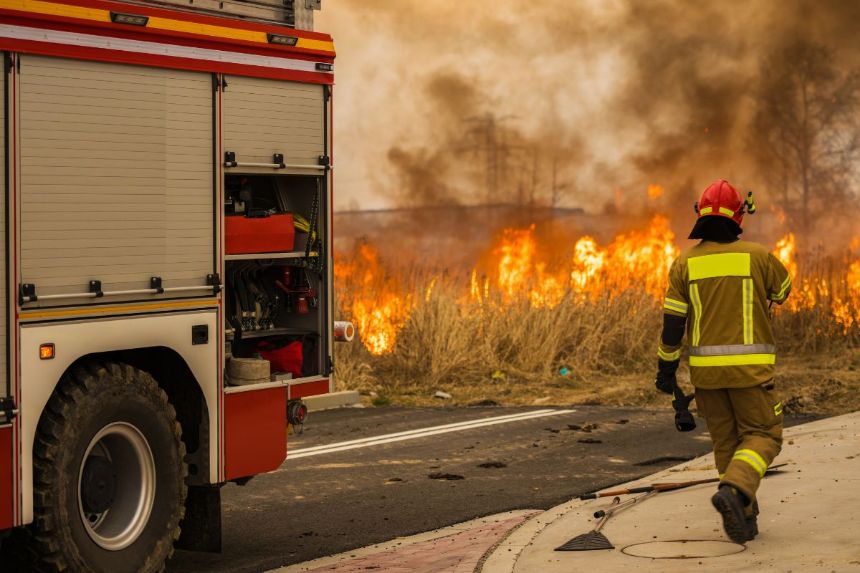
Living in Western Australia means understanding bushfire safety isn't optional. If you're in the Perth Hills, South-West region, or on a lifestyle block in the Wheatbelt, fire season brings real risk. A bushfire safety plan gives your household clear steps to follow when fire threatens, removing the guesswork from what's already a stressful situation.
At Fullworks Fire Safety, we work with families and businesses across WA to support their fire preparedness. While we can't predict when a bushfire will occur, we can help you prepare for it.
Why Every WA Household Needs a Bushfire Safety Plan
Bushfires in Western Australia can ignite quickly. Dry thunderstorms, machinery sparks, or sudden wind changes can turn a quiet afternoon into an emergency. When smoke appears on the horizon or an official warning comes through, you don't have time to sit down and figure out what to do next.
A written bushfire safety plan means everyone in your household already knows their role. You've decided in advance whether you'll leave early or stay to defend your property. You've mapped out evacuation routes, packed an emergency kit, and talked through the plan with your children. That preparation removes panic from the equation.
For those in bushfire-prone areas, having a documented plan is becoming increasingly important. Insurance providers often ask for evidence of bushfire preparedness when underwriting rural properties, and local fire services personnel encourage every household to create one before bushfire season begins.
Bushfire Safety Plan vs Bushfire Survival Plan: Same Goal, Different Words
You might see both terms used interchangeably, and that's because they refer to the same thing. In WA literature, the Department of Fire and Emergency Services (DFES) often uses "bushfire survival plan," while nationally you'll hear "bushfire safety plan" more frequently.
Both describe a short written document that sets out your household's response to bushfire danger. The name matters less than having the plan itself. What counts is sitting down with your family, making decisions together, and writing everything down so it's clear when the time comes to act.

Key Elements Your Bushfire Safety Plan Must Cover
Your bushfire plan needs to answer several critical questions before fire danger becomes reality.
Your trigger to act
Decide what will prompt you to put the plan into action. This might be when the daily fire danger rating reaches Extreme, when you see smoke, or when DFES issues a Watch and Act warning for your area. Be specific so there's no confusion on the day.
Leave early or stay and defend
This is the most important decision in your plan. Leaving early means departing the night before or early morning on days of Catastrophic fire danger. Staying to defend requires proper preparation, suitable property conditions, and the physical and mental capacity to protect your home. There's no middle ground, and changing your mind once fire is close puts you in the most dangerous position.
Where you'll go
If you're leaving, identify a safer location away from bushfire risk areas. This might be a friend's place in the suburbs, a community evacuation centre, or a hotel in town. Write down the address and make sure everyone knows how to get there.
Your evacuation routes
Plan your primary route and at least one back-up route in case roads are blocked. Drive these routes during the day so you're familiar with them, and consider what they'd be like at night or in heavy smoke.
What you'll take
List the essentials: medications, important documents, phone chargers, water, and your emergency kit. Keep these items together so you can grab them quickly.
Household roles
Assign tasks to each person. Who's responsible for pets? Who'll close windows and clear gutters? Who monitors Emergency WA for updates? Children should have age-appropriate roles so they feel involved and know what's expected.
Essential contacts
Write down phone numbers for 000, your local brigade, neighbours, schools, vets, and family members. Mobile networks can fail during emergencies, so having a written list matters.
When to Put the Plan into Action: Fire Danger Ratings & DFES Warnings
Western Australia uses the Australian Fire Danger Rating System, which provides a daily fire danger rating across four colour-coded levels: Moderate (blue), High (yellow), Extreme (orange), and Catastrophic (red). You'll see these ratings displayed on signs throughout regional WA and updated daily on the Emergency WA website.
Moderate and High days still require attention. Keep your property maintained, stay informed, and be ready to act if conditions change.
Extreme days mean fires can start quickly and spread fast. If your plan says you'll leave when the rating hits Extreme, that's the time to go. Don't wait for smoke or official warnings.
Catastrophic is the highest level. On these days, if fire starts, it will be uncontrollable and extremely dangerous. The only safe option is to leave the night before or early in the morning. Even well-prepared homes may not be defendable under Catastrophic conditions.
DFES also issues three levels of official warnings when a fire is burning:
- Advice: A fire has started but there's no immediate danger. Stay informed and be ready to act.
- Watch and Act: Conditions are changing and you need to take action now. If your plan says to leave, go immediately.
- Emergency Warning: You're in danger and need to act to survive. Follow your plan or seek shelter if it's too late to leave.
Your bushfire safety plan should link directly to these ratings and warning levels. When you've decided in advance what each level means for your household, you remove the emotional weight of making that decision under pressure.
How to Create Your Plan Today (Free Tools & Checklists)
Getting started is simpler than you might think. DFES provides free resources designed specifically for WA households.
The My Bushfire Plan web app and mobile app guide you through each section step by step. You can build your plan on your phone or computer, save it, and share it with family members. The app also sends reminders to review your plan each year.
If you prefer a printed version, download the Prepare Act Survive booklet from the DFES website. It includes templates and checklists you can fill out by hand.
Once you've chosen your tool, walk around your property. Note where water sources are located, check that gutters are clear, and identify defendable spaces. This physical inspection helps you understand your property's strengths and vulnerabilities.
Next, pack your emergency kit. Include a first aid kit, protective clothing, a torch, a battery-powered radio, and spare phone batteries. Store everything in an accessible spot so you're not searching for items when you need to leave.
Sit down with your household and discuss the plan. Talk through each person's role, practise evacuation routes, and make sure children understand what will happen. Pets and livestock need consideration too. Where will they go? Who's responsible for them? Write it all down.
Keeping the Plan Current: Review, Practice, Update
Your bushfire safety plan isn't a one-time task. Life changes, properties change, and fire risk changes with them.
Review your plan each spring before bushfire season begins. Check that contact numbers are still current, evacuation routes haven't changed, and your emergency kit is stocked. If you've moved house, had children, or acquired pets since you last updated the plan, those changes need to be reflected.
Practise your plan at least once a year. Walk through the steps with your household. Time how long it takes to pack the car and leave. Drive your evacuation routes during the day and again at dusk so everyone's familiar with them in different conditions.
If you're part of a local Bushfire Ready Group, attending community meetings can provide valuable updates on fire risk in your area and connect you with neighbours who share your concerns. Many councils across Western Australia host these groups, and they're a practical way to stay informed and emotionally prepared.
Gear That Supports Your Bushfire Plan
Having the right equipment on hand supports your plan, whether you're leaving early or staying to defend.
Fire extinguishers are essential for tackling small spot fires before they spread. ABE dry chemical extinguishers handle multiple fire types and are suitable for most residential properties. Backpack sprayers give you mobility to move around your property and extinguish embers.
Fire blankets provide a quick response to small fires in and around the home, and they're simple enough for older children to use under supervision. Keep them accessible in your kitchen and near outdoor areas.
First aid kits stocked with burn treatments, bandages, and basic medical supplies belong in every household, not just for bushfire season but year-round. Make sure yours is current and everyone knows where it's stored.
If you're unsure what equipment suits your property or bushfire plan, our team can provide advice. We supply Australian-Standard certified gear across all fire safety zones in WA, with nationwide delivery available. You can contact us to discuss your specific needs, or explore our range of fire protection services to see how we support households and businesses across Western Australia.
Being Prepared Means Being Ready to Act
Bushfire safety comes down to preparation, not luck. A written plan removes uncertainty, gives your household clear direction, and ensures everyone knows their role when fire danger is real.
Western Australia's bushfire season demands respect and readiness. Whether you live in a high-risk area or further from the bush, having a plan means you're not making critical decisions under pressure. You've already decided what you'll do, where you'll go, and what you'll take with you.
Start your plan today using the free tools available through DFES. Walk your property, pack your kit, and sit down with your family to talk it through. Then review it each spring and update it whenever your circumstances change.
At Fullworks Fire Safety, we work with families and businesses across WA to support their fire preparedness. While we can't predict when a bushfire will occur, we can help you prepare for it.
Fire season will come around again. The question is whether you'll be ready for it.
Frequently Asked Questions
What should be in a basic emergency kit for bushfire safety?
Your emergency kit should include a first aid kit with burn treatments, prescription medications, important documents in a waterproof container, a battery-powered radio, a torch with spare batteries, phone chargers and power banks, bottled water, non-perishable food, protective clothing including long sleeves and sturdy boots, wool blankets, and a list of emergency contacts. Keep everything in one accessible location so you can grab it quickly if you need to leave.
How often should I update my bushfire safety plan?
Review your bushfire safety plan at the start of each spring before bushfire season begins. You should also update it whenever your household circumstances change, such as moving house, having children, acquiring pets or livestock, or if someone in your household develops a medical condition that affects mobility. Major property changes like new buildings or cleared vegetation also warrant a plan review.
Can I stay and defend my home on a Catastrophic fire danger rating day?
No. On Catastrophic fire danger rating days, the only safe option is to leave the night before or early in the morning. Fires that start on Catastrophic days are uncontrollable, unpredictable, and extremely dangerous. Even well-prepared homes with defendable space may not survive, and staying puts your life at serious risk. DFES and all emergency services personnel advise leaving bushfire risk areas before Catastrophic conditions arrive.
Where can I find my local Bushfire Ready Group in Western Australia?
Contact your local council to find out if there's a Bushfire Ready Group in your area. Many councils across WA host these community groups and list meeting details on their websites. You can also check the DFES website or call their community engagement team for information about groups near you. If there isn't a group in your area, DFES can provide guidance on starting one with interested neighbours.


